
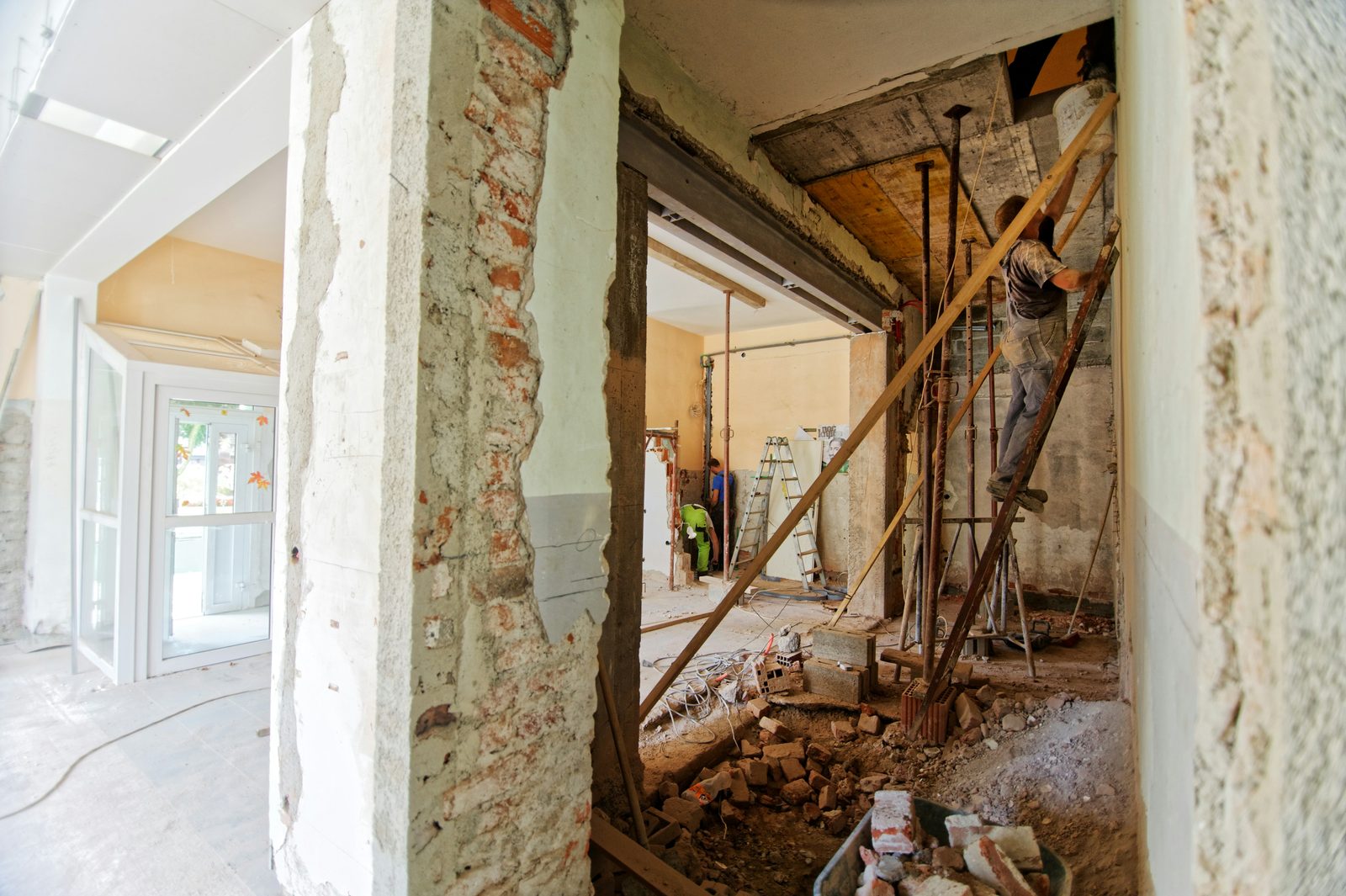
Found a house with great bones and a terrible kitchen? A 203(k) rolls the purchase and the renovation into a single mortgage. Here's how it actually works.
Maryland's housing stock is old. Rowhomes in Baltimore, mid-century ranchers in Prince George's County, farmhouses out in Carroll and Frederick — a lot of them are structurally sound and cosmetically stuck in 1978. The listing price reflects that, which is exactly the opportunity.
The problem is timing. You need cash for the down payment, cash for closing, and then somehow cash for a $60,000 renovation. An FHA 203(k) loan solves that by financing the purchase and the renovation together in one mortgage.
Limited vs. Standard 203(k)
There are two versions. A Limited 203(k) is for smaller, non-structural work — kitchens, baths, flooring, paint, appliances, roofing. It's faster and has less paperwork.
A Standard 203(k) handles larger budgets and structural work: moving walls, additions, foundation repairs, major systems. It requires a HUD consultant who reviews the scope, inspects progress and approves the draws. Your lender determines which one your project falls under — don't guess.
What you can finance
What you generally cannot finance: luxury items. Pools, outdoor kitchens and similar extras are typically excluded.
- Kitchen and bathroom renovations
- Roofing, siding, gutters and windows
- HVAC, water heaters, electrical panels and plumbing
- Flooring, drywall, insulation, paint and trim
- Accessibility upgrades and code corrections
- Energy-efficiency improvements
How the money actually moves
You close on the loan first. Renovation funds go into an escrow account, not into your pocket. As work is completed and inspected, the lender releases money in draws directly against documented progress.
That's why the contractor matters so much on a 203(k). Your bid has to be line-itemed in the format underwriting expects, and your contractor has to produce photos, invoices and inspection-ready work at each draw stage. A contractor who has never done one will slow your loan to a crawl.
A realistic timeline
- Pre-offer: walkthrough and preliminary scope
- Under contract: detailed line-item bid to your lender, HUD consultant review if Standard
- Underwriting: 30–60 days, longer than a conventional purchase
- Closing: renovation escrow funded
- Construction: permits, materials, build, draw inspections
- Completion: final inspection and release of remaining funds
Is it worth it?
If you're buying in a Maryland neighborhood you want to be in, and the only thing standing between you and that house is $50,000 of work — yes. You're buying below market, renovating to your taste, and building equity the day the project finishes.
If you want a move-in-ready house and no construction in your life, a 203(k) is not for you. It's a project with a mortgage attached.